Plate heat exchanger gaskets should be replaced when they leak, lose elasticity, crack or swell — typically every 3 to 7 years in standard service and sooner with aggressive CIP chemicals or high temperatures. The right choice of elastomer (EPDM, NBR, HNBR or FKM) depends on the media, temperature and cleaning regime, and replacing a full plate pack at once is usually cheaper than fixing leaks one by one.
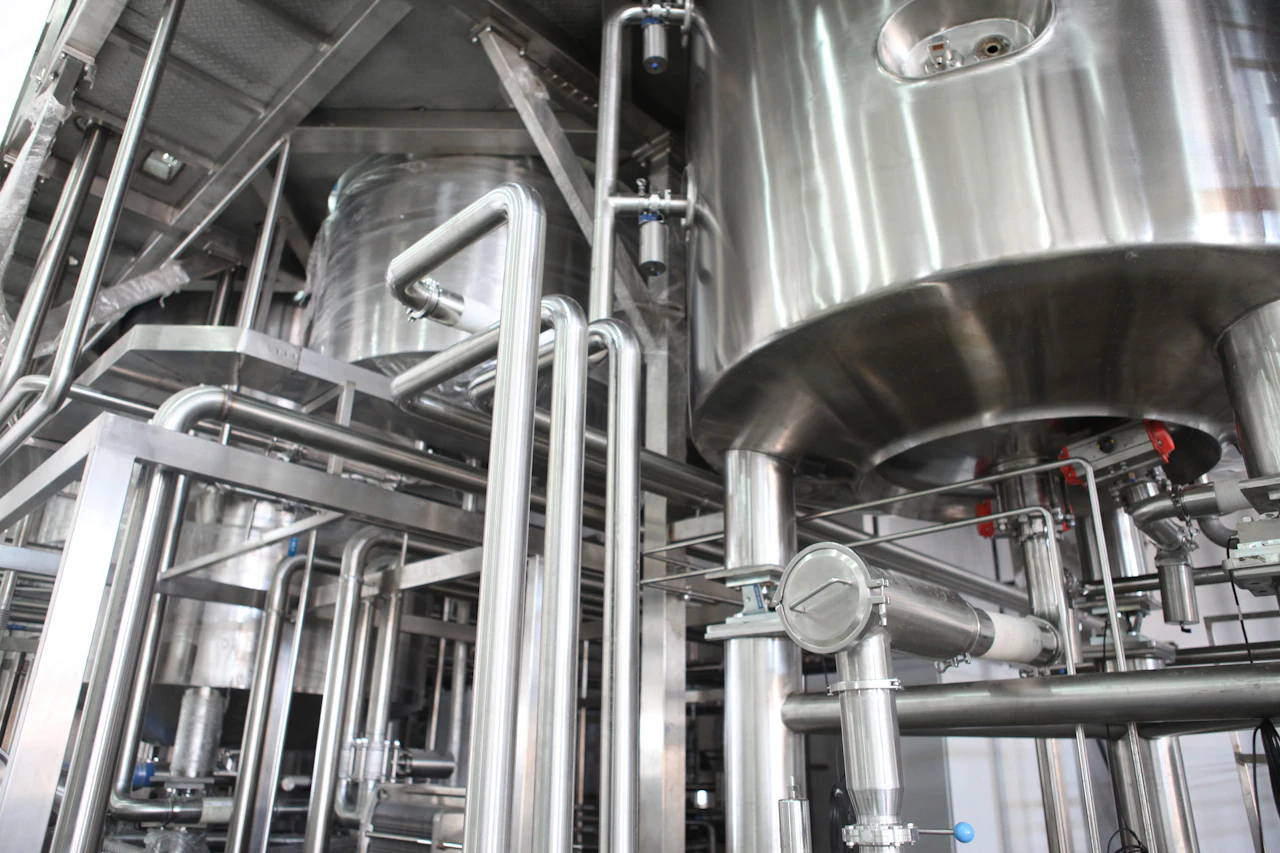
Gaskets are the most frequently replaced part of any gasketed plate heat exchanger (PHE). They separate the two media, seal the plate pack against the atmosphere and take the full compression load of the frame. When they fail, you lose product, risk cross-contamination and waste energy. This guide explains how to recognise failing gaskets, how to select the correct material and how to plan regasketing so that the unit goes back into service without surprises. It applies to units from KELVION, GEA, SPX FLOW / APV, Alfa Laval, Tranter, Sondex and most other PHE manufacturers.
Signs your plate heat exchanger gaskets need replacing
A gasket rarely fails without warning. Most problems show up during routine inspections or as small changes in process data long before a visible leak appears. Watch for these signs:
- External leaks or weeping at the edge of the plate pack, especially after a cold start or a CIP cycle.
- Hardening and loss of elasticity — the gasket no longer springs back when pressed with a fingernail and shows a permanent flat compression set.
- Cracks, swelling or a sticky surface, which indicate chemical attack or the wrong elastomer for the media.
- Cross-contamination detected by product testing (for example, cooling water traces in milk or juice), which can point to a failed leakage-groove area or a perforated plate.
- Rising pressure drop or falling heat transfer: often fouling, but a swollen gasket can also narrow the channels.
- Tightening dimension at its minimum: if the plate pack has already been compressed to the minimum “A” dimension on the nameplate and still leaks, the gaskets are exhausted.
Choosing the gasket material
Every elastomer is a compromise between temperature resistance, chemical resistance and price. The table below summarises the materials used in most food, dairy, HVAC and chemical applications. Always confirm against the media list for your specific unit and, for food contact, ask for documents showing compliance with Regulation (EC) No 1935/2004 and, where required, FDA 21 CFR 177.2600.
| Material | Typical max. temperature | Good for | Avoid with |
|---|---|---|---|
| NBR (nitrile) | approx. 110–140 °C | Oils, fats, milk with fat content, cooling water | Steam, ozone, strong acids |
| HNBR | approx. 140–150 °C | Hot oils, fatty products, higher-temperature duties | Strong oxidising acids |
| EPDM (peroxide-cured) | approx. 150–160 °C | Hot water, steam, CIP caustics, most acids, juices | Oils and fats, hydrocarbons |
| FKM (Viton®) | approx. 160–180 °C | Mineral oils, many solvents, acids, high temperature | Steam, hot water over approx. 100 °C, ketones |
| Compressed fibre / special | up to approx. 250 °C | Special high-temperature duties | Frequent opening, food duties |
Temperatures are indicative and depend on pressure, compound and manufacturer. In dairy and beverage plants the choice is usually between NBR (for fatty products) and EPDM (for water, juices and frequent hot CIP). If a single exchanger handles both fatty product and aggressive CIP, HNBR or a two-material plate pack may be the better solution.
Clip-on vs. glued gaskets
Modern plates mostly use glue-free (clip-on or snap-in) gaskets that are held in the groove by small tabs. Older plates and some heavy-duty designs still use glued gaskets. The difference matters for downtime and cost:
| Criterion | Clip-on (glue-free) | Glued |
|---|---|---|
| Regasketing time | Fast — can be done on site, plate by plate | Slow — old glue must be removed, adhesive needs curing time |
| Where it is done | Usually on site | Often in a workshop |
| Risk of installation errors | Low if gaskets match the plate model | Higher — glue residue and uneven bonding |
| Typical use | Most food, HVAC and general industrial units | Older plates, vacuum duties, some high-pressure units |
How long do plate heat exchanger gaskets last?
Gasket life depends far more on temperature and cleaning chemistry than on running hours. The indicative ranges below come from typical maintenance practice; your own inspection history is always the best guide.
Two practical rules help: replace all gaskets in a plate pack at the same time (mixing old and new gaskets creates uneven compression), and keep a record of the tightening dimension after each service. When the dimension approaches the minimum, schedule regasketing for the next planned stop.
Regasketing a plate heat exchanger step by step
- Record the data: nameplate details, plate model, number of plates, plate arrangement and the current tightening dimension. Photograph the pack before opening.
- Isolate, drain and cool both circuits; release the tightening bolts evenly and in the sequence given in the manual.
- Remove and number the plates in order. The first and last plates often have different gaskets or port configurations.
- Clean the plates with a soft brush and suitable cleaning agent; never use steel wool or chloride-containing cleaners on stainless steel.
- Inspect each plate for cracks, corrosion and pinholes (dye penetrant testing for critical food duties).
- Fit the new gaskets, checking that every clip is seated and the gasket sits flat in the groove.
- Reassemble in the original order and tighten evenly to the specified dimension — never below the minimum.
- Pressure-test and run CIP before releasing the unit back to production.
Cost: regasketing vs. new plates
For most units, new gaskets cost a fraction of new plates. Replacing plates only makes sense when they are cracked, corroded or thinned by repeated cleaning. As a rule of thumb, regasketing a complete pack costs roughly 15–30% of a new plate pack, and a full new heat exchanger is only worth it if the frame is damaged or the thermal duty has changed.
Energy also matters: a fouled or partly leaking exchanger forces higher steam or hot-water consumption. Reports from the U.S. Department of Energy on industrial systems show that maintenance on thermal and pumping equipment is one of the cheapest efficiency measures available.
Ordering the right plate heat exchanger gaskets
To get gaskets that fit the first time, send your supplier the nameplate photo (model and serial number), the plate type, the number of plates and plate arrangement, the media and temperatures and the current gasket material. Original OEM gaskets and certified-equivalent gaskets are both available; equivalents can be a good choice for units outside warranty, provided material certificates are supplied. Read our guide to genuine vs. counterfeit spare parts before buying from an unknown source.
Impex Profit supplies complete gasket sets and plates for KELVION heat exchangers, GEA, APV and SPX FLOW and other brands as part of our spare parts supply service, with export documents and customs support. If gaskets are on your list of wear parts, also see our guide to building a critical spare parts list and the general article on the most commonly replaced machine parts.
Further reading on plate heat exchanger design: Plate heat exchanger — overview; hygienic design guidance for food equipment: EHEDG.
Get a Quote from Impex Profit
Send us the machine model, serial number or part number. We confirm the right part, price and lead time within 24 hours and deliver worldwide with full export documents.
Request a Quote →