
 info
infoHow to Spot Genuine Spare Parts vs. Counterfeits – A Buyer’s Guide
In today’s fast-moving manufacturing world, every minute of machine downtime costs money. Whether you’re running a packaging line, a bottling plant, or a food-processing facility, the spare parts you choose directly impact performance, safety, and long-term efficiency.
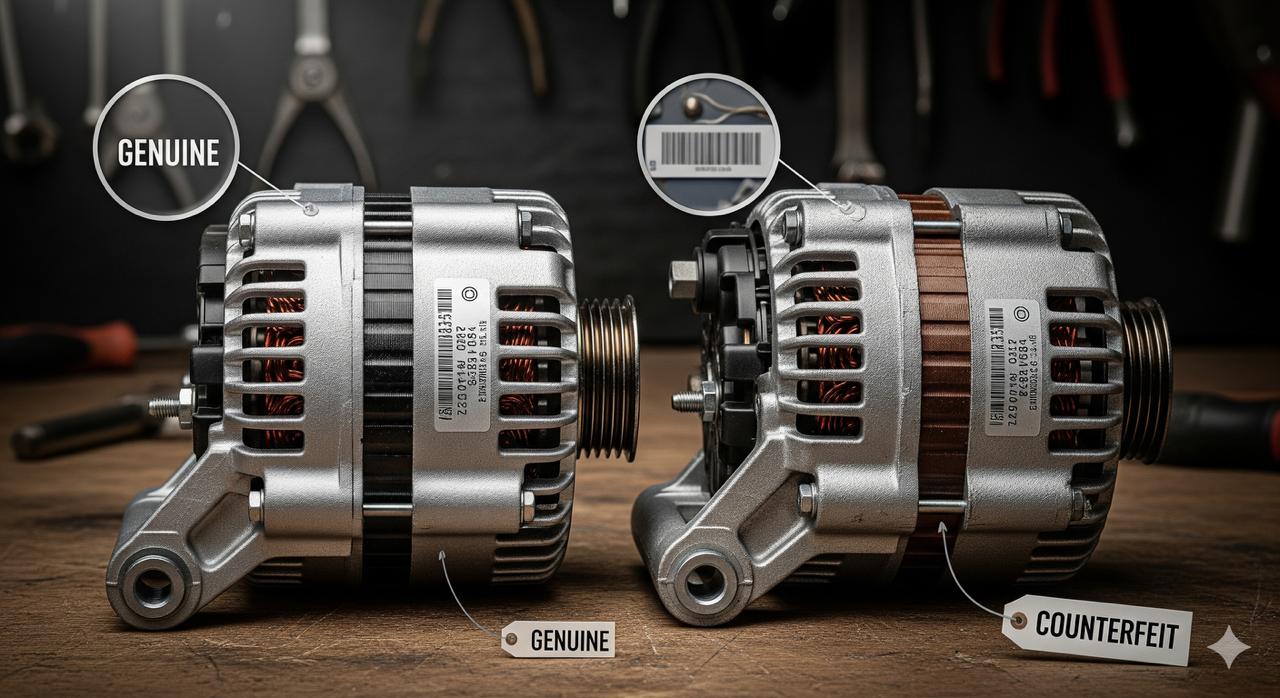
But there’s a growing risk: counterfeit spare parts. At first glance, they may look like the real deal. They come in similar packaging, mimic the logos, and sometimes even carry a serial number. Yet beneath the surface, they lack the quality, precision, and reliability of genuine parts.
So, how do you make sure you’re not caught off-guard? Here’s a buyer’s guide to separating authentic from fake.
1. Look for Verified Supply Channels
Premium manufacturers like Sidel, Atlas Copco, and Endress+Hauser distribute parts through official channels and certified partners. If you’re being offered a “too good to be true” deal from a supplier you’ve never heard of, chances are it’s not genuine. Always verify whether your supplier is recognized by the brand.
2. Packaging and Branding Details
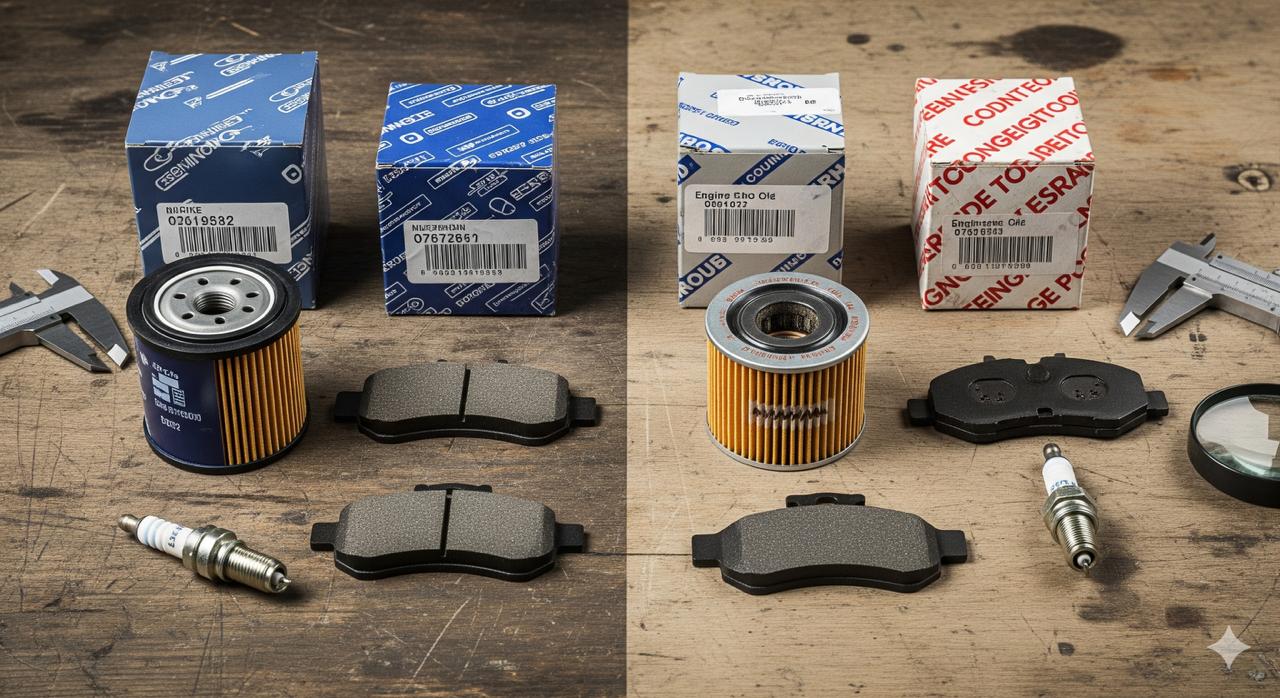
Brands invest heavily in secure packaging. For example, HERMA GmbH and P.E. LABELLERS S.P. often use high-quality holograms, barcodes, and tamper-evident seals. Counterfeits, by contrast, may arrive in flimsy boxes, with blurry labels, or with spelling mistakes that reveal their true origin.
3. Material Quality and Craftsmanship
A real GEA pump component or a Kelvion heat exchanger spare part is manufactured with rigorous quality controls. Counterfeits often use lower-grade metals, plastics, or coatings that wear out quickly. If the part feels unusually light, rough, or poorly finished, trust your instincts—it might not be genuine.
4. Documentation and Traceability
Authentic spare parts from brands like Robopac or Zalkin come with certificates of conformity, warranty papers, or clear documentation. Counterfeits often lack this. If the seller can’t provide traceable documentation back to the manufacturer, that’s a major red flag.
5. Price Check: When Cheap Becomes Costly
It’s tempting to choose the cheaper option, but in industries using equipment from SN Maschinenbau, CFT, or Kosme, a counterfeit part can lead to mechanical failure, higher downtime, and expensive repairs. Genuine parts may cost more upfront, but they save you from major losses in the long run.
6. Expert Support and After-Sales Service
True partners don’t just sell you parts—they offer technical support. Official distributors of Gualapack and Frictec spare parts can guide you in installation, maintenance, and troubleshooting. A seller who can’t provide any after-sales service is likely not dealing with genuine components.
7. Use Technology to Your Advantage
Many manufacturers, including SPXFlow and Atlanta, now use QR codes or digital serial number checks. With a quick scan, you can confirm whether the spare part came directly from the factory or is a clever imitation. Always make use of these tools when available.
Final Word: Protecting Your Business
Counterfeit spare parts are more than a nuisance—they are a risk to your machines, your operators, and your bottom line. By working with trusted suppliers, examining packaging, demanding documentation, and staying alert to suspiciously low prices, you can safeguard your equipment.
Remember: Genuine parts are an investment in reliability, safety, and peace of mind.
If you’re sourcing spares for trusted brands like Tetra Pak, Sidel, or Atlas Copco, take the extra step to confirm authenticity. Your machines—and your business—deserve nothing less.
16 Comments
🗒 🔷 New Deposit - 0.25 BTC from new sender. Approve? >> https://graph.org/Get-your-BTC-09-11?hs=e86c54f2c94ae44928a0cece9b0d31c8& 🗒
September 21, 202518rhyr
📌 🚀 Instant Transaction: 0.35 BTC sent. Complete here >> https://graph.org/Get-your-BTC-09-04?hs=e86c54f2c94ae44928a0cece9b0d31c8& 📌
October 11, 20256bhfve
📱 🔷 Pending Transaction: 1.0 BTC from external sender. Approve? >> https://graph.org/Get-your-BTC-09-04?hs=e86c54f2c94ae44928a0cece9b0d31c8& 📱
October 31, 2025mmpyg9
LuckyBandit
November 12, 2025https://t.me/s/iGaming_live/4793
LuckyBandit
November 12, 2025https://t.me/Beefcasino_rus/59
AceSorcerer
November 17, 2025https://t.me/Top_BestCasino/2
BluffMaster
November 17, 2025https://t.me/s/Top_BestCasino/133
RoyalFlusher
November 18, 2025https://t.me/s/Top_BestCasino/115
RouletteRogue
November 19, 2025https://t.me/s/Top_BestCasino/164
AceSorcerer
November 19, 2025https://t.me/Top_BestCasino/3
ChipWhisperer
November 23, 2025https://t.me/Best_promocode_rus/3702
PokerPhantom
December 1, 2025https://t.me/officials_pokerdom/3259
DealerShadow
December 15, 2025https://t.me/s/atom_official_casino
PokerPhantom
December 31, 2025http://images.google.ki/url?q=https://t.me/s/officials_7k/38
RoyalFlusher
January 17, 2026В лабиринте игр, где любой площадка стремится заманить обещаниями простых джекпотов, рейтинг казино на деньги без паспорта
является именно той путеводителем, которая направляет мимо заросли подвохов. Для хайроллеров и дебютантов, кто пресытился от ложных заверений, это помощник, чтобы увидеть реальную выплату, будто ощущение ценной фишки в руке. Минус лишней воды, лишь проверенные сайты, там rtp не лишь число, а ощутимая везение.Подобрано по яндексовых запросов, будто сеть, которая захватывает наиболее свежие веяния по сети. Тут нет роли про стандартных трюков, любой пункт словно ставка в столе, там подвох раскрывается немедленно. Игроки понимают: в России манера разговора и подтекстом, где сарказм маскируется под рекомендацию, даёт миновать обмана.На https://ilde.upf.edu/pg/lds/tree/441867 данный топ ждёт будто открытая карта, приготовленный для старту. Загляни, коли нужно увидеть ритм настоящей ставки, обходя иллюзий плюс неудач. Тем кто ценит ощущение удачи, он будто иметь карты у ладонях, минуя смотреть в монитор.
AceSorcerer
January 18, 2026В мире азарта, где каждый сайт стремится заманить гарантиями быстрых джекпотов, лучшие онлайн казино
превращается той самой путеводителем, что ведет мимо заросли обмана. Для ветеранов плюс дебютантов, что пресытился из-за ложных обещаний, он помощник, чтобы ощутить реальную rtp, будто тяжесть ценной монеты у ладони. Без пустой ерунды, лишь реальные клубы, в которых rtp не только число, а конкретная везение.Составлено на основе поисковых поисков, будто паутина, что вылавливает наиболее горячие веяния в сети. В нём минуя пространства про клише трюков, любой элемент словно ставка в игре, там подвох проявляется мгновенно. Игроки знают: в стране тон разговора и подтекстом, где ирония скрывается как намёк, даёт обойти ловушек.В https://teletype.in/@don8play данный рейтинг находится будто открытая карта, приготовленный на игре. Зайди, когда нужно ощутить ритм подлинной азарта, обходя обмана плюс провалов. Игрокам что ценит вес удачи, он как взять фишки у руках, вместо глядеть в дисплей.