
 info
infoThe Future of Spare Parts: 3D Printing, Automation, and AI in Supply Chains
The spare parts industry is entering a new era. Once defined by warehouses filled with shelves of components, today’s supply chains are rapidly evolving thanks to 3D printing, automation, and artificial intelligence. For manufacturers using equipment from Sidel, GEA, Atlas Copco, or Robopac, these innovations promise faster delivery, lower costs, and smarter decision-making.
So, what does the future hold for spare parts—and how will it reshape the way businesses source, stock, and service their critical components?
1. 3D Printing: On-Demand Production
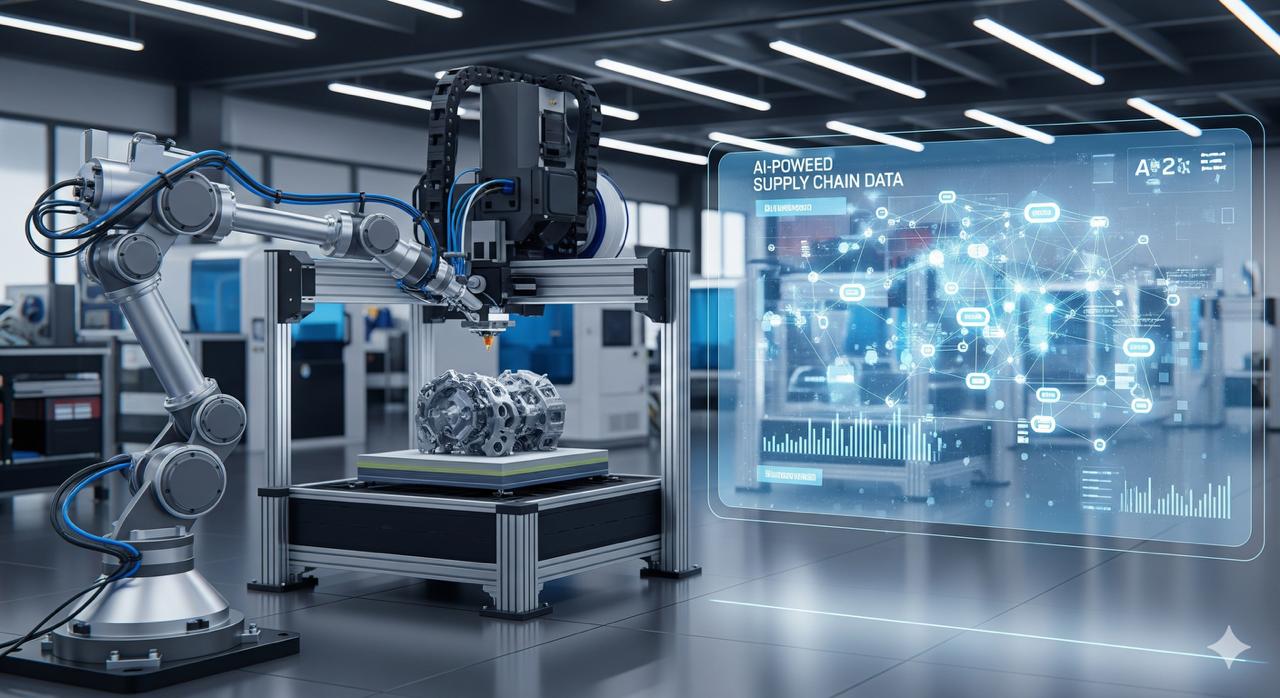
Imagine a world where you don’t have to wait weeks for a replacement part. Instead, you print it on-site, within hours. This isn’t science fiction anymore—it’s already happening.
- Rapid Prototyping & Replacement: A Kosme filler nozzle or a SOMIC cutting blade can be produced with precise digital blueprints, reducing lead times dramatically.
- Customization at Scale: For brands like Endoline or MAJA, 3D printing allows for part modifications tailored to specific production lines.
- Lower Storage Costs: Instead of keeping thousands of parts in stock, companies can store digital files and print spares only when needed.
2. Automation in Spare Parts Logistics
Automation is revolutionizing warehouses and logistics networks. Think of robotic systems handling P.E. LABELLERS S.P. components, or automated conveyors managing CFT spare parts inventory.
- Smart Warehousing: Automated guided vehicles (AGVs) pick and deliver parts faster, reducing human error.
- Efficient Distribution: For global brands like Zalkin and Gualapack, automated logistics hubs ensure consistent availability worldwide.
- 24/7 Service: Machines never sleep—automation makes round-the-clock distribution possible.
3. Artificial Intelligence: Smarter Supply Chains
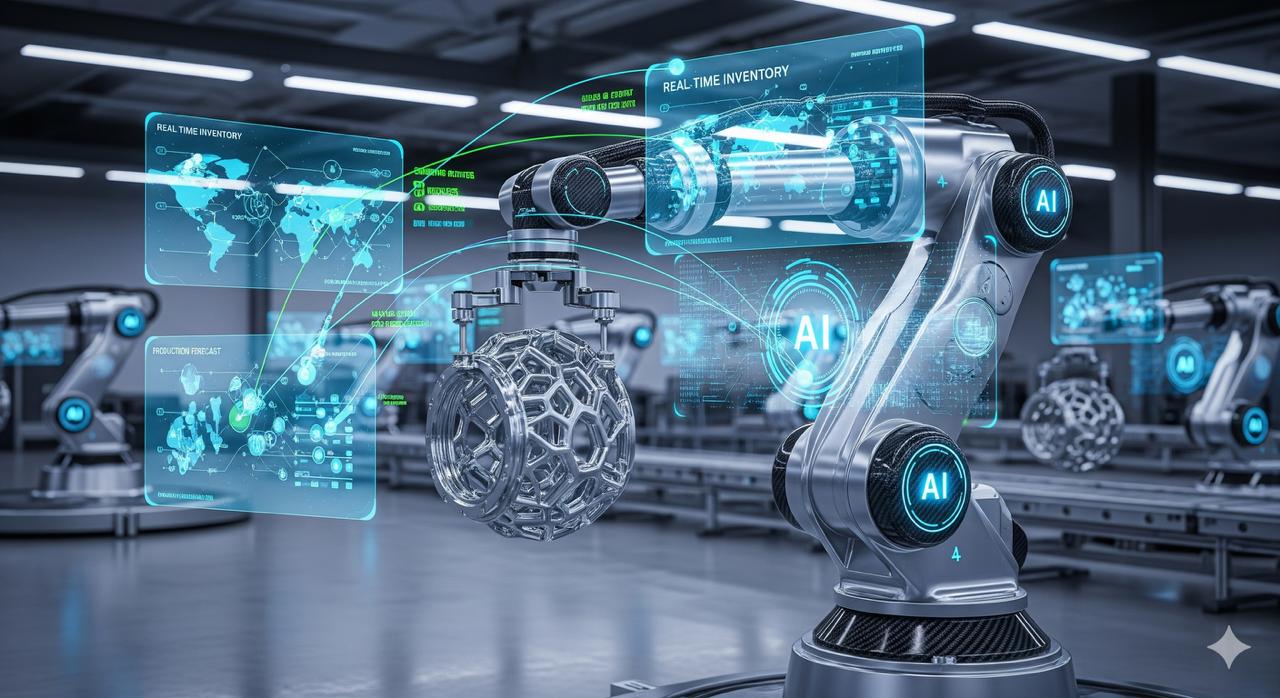
AI is becoming the brain behind modern spare parts supply chains. It’s not just about predicting demand—it’s about anticipating failures before they happen.
- Predictive Maintenance: AI algorithms monitoring Endress+Hauser flow meters or Kelvion heat exchangers can forecast when parts will fail, allowing timely replacement.
- Dynamic Pricing & Procurement: For buyers of Interpump or Frictec spares, AI helps compare global suppliers in real time, securing the best deal.
- Inventory Optimization: By analyzing usage patterns of SPXFlow pumps or HERMA GmbH labeling machines, AI ensures the right part is always available at the right place.
A New Era for Manufacturers
The convergence of 3D printing, automation, and AI is transforming spare parts from a cost center into a competitive advantage. For businesses operating Sidel bottling lines, Atlas Copco compressors, or GEA process systems, the future means fewer delays, lower inventory costs, and smarter maintenance strategies.
This shift won’t just change how parts are made and delivered—it will redefine the very structure of global supply chains. Manufacturers who embrace these technologies early will gain resilience, efficiency, and long-term savings.
Final Thought:
The spare parts world is moving from warehouses to digital platforms, from manual handling to robotics, from reactive repairs to predictive insights. The future is fast, smart, and efficient—and it’s already here.