Industrial spare parts are classified either under their own heading (bearings, seals, valves, belts) or as “parts of” the machine they belong to — for example HS 8413 91 for parts of pumps. The code decides the EU duty rate, which for most machine parts is low (often 0–3%) but higher for some items such as bearings. Correct classification, origin documents and the right Incoterm prevent delays and unexpected costs.
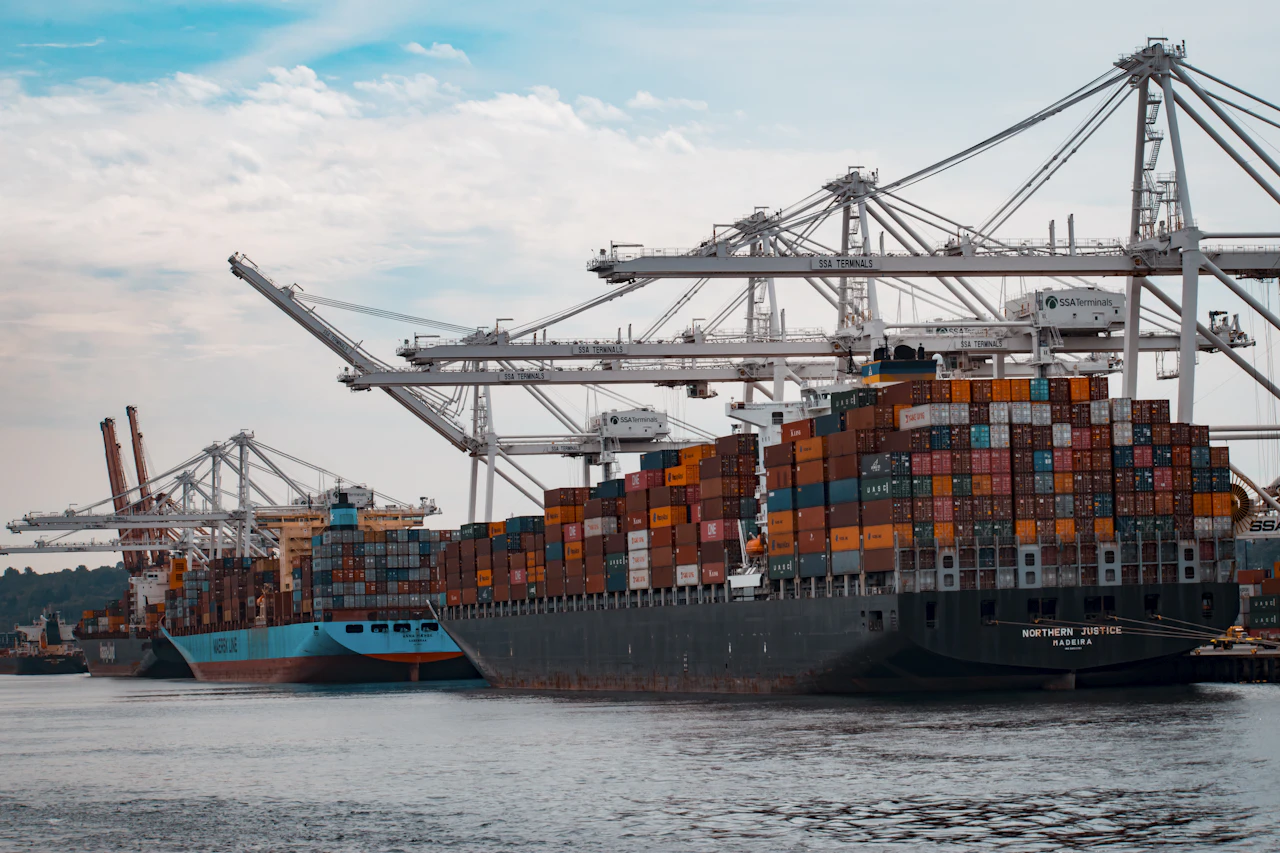
Every import into the European Union needs a commodity code. For a single valve kit the duty may be small, but a wrong code can hold a critical shipment at the border for days, trigger penalties or lose you the benefit of a free-trade agreement. This guide explains how the Harmonized System works for machine spare parts, where to check rates and what documents your shipment needs.
Why correct classification matters
The Harmonized System (HS) maintained by the World Customs Organization gives every product a six-digit code used by more than 200 countries. The EU adds two digits (the Combined Nomenclature, CN) and two more in the TARIC database for measures such as anti-dumping duties and suspensions. The code determines:
- the customs duty rate and any preferential rate under trade agreements;
- whether licences, sanctions checks or dual-use controls apply;
- the statistics reported for your company — and the risk profile customs assigns to your imports.
How spare parts are classified
Classification follows the General Interpretative Rules and the notes to Section XVI of the tariff. In practice, three questions decide the code:
- Does the part have its own heading? Ball and roller bearings (8482), gaskets and mechanical seals (8484, 4016, 8487), taps and valves (8481), transmission shafts and gears (8483), electric motors (8501), belts (4010) and many fasteners are classified by what they are, wherever they are used.
- If not, is it suitable for use solely or principally with one type of machine? Then it goes to the “parts” subheading of that machine — for example parts of pumps (8413 91), of centrifuges (8421 91), of filling or labelling machines (8422 90) or of heat exchangers (8419 90).
- Is it a kit or set? Repair kits are generally classified according to the component that gives them their essential character, unless they qualify as parts of a specific machine; complex kits are worth a binding ruling.
Common HS codes for machine spare parts
| Part | HS heading | Note |
|---|---|---|
| Ball and roller bearings | 8482 | Own heading regardless of the machine |
| Mechanical seals, gasket sets of different materials | 8484 | Sets in pouches / similar packing |
| Rubber O-rings and gaskets | 4016 93 | Vulcanised rubber, own heading |
| Valves, valve bodies and parts | 8481 | Including parts of valves (8481 90) |
| Parts of pumps (impellers, rotors, stators, plungers) | 8413 91 | If not covered by an own heading |
| Parts of centrifuges and separators | 8421 91 | Bowls, discs, service parts |
| Parts of filling, labelling, packaging machines | 8422 90 | Change parts, glue rollers, grippers |
| Parts of heat exchangers | 8419 90 | Plates; gaskets are usually 4016 / 8484 |
| Transmission belts | 4010 | Conveyor and transmission belts of rubber |
| Electric motors | 8501 | Own heading |
| Sensors, measuring instruments | 9025 / 9026 / 9031 | Pressure, flow, level, inspection |
Headings are indicative only — the final 8- and 10-digit code and the current rate must always be checked in TARIC or the EU Access2Markets tool for your exact goods and country of origin.
Duty, VAT and landed cost
Customs duty is calculated on the customs value (usually the CIF value at the EU border: goods + freight + insurance). Import VAT is then charged on the customs value plus duty. Most VAT-registered companies recover import VAT, so the real cost driver is the duty and the clearance fees.
For comparison, duty rates differ by part. The chart below shows why the code matters more for bearings than for most “parts of” headings.
Preferential origin: paying zero duty
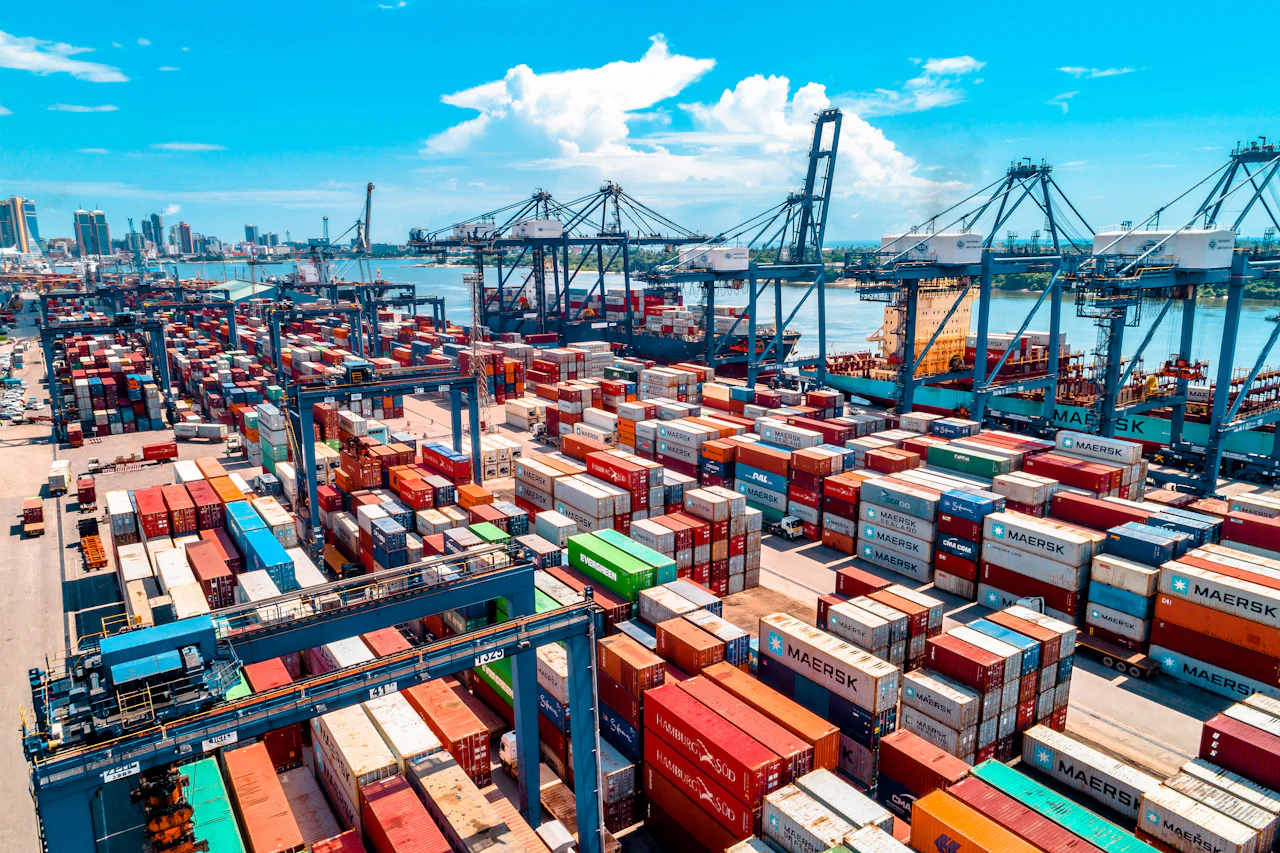
The EU has free-trade agreements with many countries, including the UK, Switzerland, Norway, Turkey (customs union for industrial goods), Japan, South Korea and Canada. If the parts qualify as originating under the agreement and the exporter provides a valid statement on origin (or an EUR.1 certificate), the duty can be reduced to zero. The rules are explained on the European Commission’s origin of goods pages. Note that “made in” on the label is not proof of preferential origin.
Incoterms for spare parts shipments
| Term | Who pays transport | Who clears import customs | Best for |
|---|---|---|---|
| EXW | Buyer | Buyer | Experienced buyers with their own forwarder |
| FCA | Buyer from named place | Buyer | Recommended alternative to EXW — seller handles export clearance |
| CPT / CIP | Seller to destination | Buyer | Courier and air shipments; CIP includes insurance |
| DAP | Seller to destination | Buyer | Door delivery with buyer handling duties |
| DDP | Seller | Seller | Simplest for the buyer; seller must be able to act as importer |
The official rules are published by the International Chamber of Commerce. For urgent breakdown parts, CPT or DAP by air or express courier is common; for planned overhaul kits, FCA with consolidated road or sea freight is usually cheaper. Our transport team can compare options for each shipment.

Documents checklist
- Commercial invoice with a clear description (part number, machine type, material), HS code, quantities, values and Incoterm;
- Packing list with weights and dimensions;
- Transport document (AWB, CMR or bill of lading);
- Proof of preferential origin, if claimed;
- EORI number of the importer; for some goods, conformity or food-contact documents;
- For goods returned after repair: documents for outward or inward processing, so that duty is paid only on the repair value.
Common mistakes that delay spare parts at customs
- Vague descriptions such as “spare parts” or “machine parts” — customs will ask for clarification.
- Using the machine’s heading for parts that have their own heading (bearings, seals, motors).
- Undervaluing or using pro-forma values that do not match payment.
- Claiming preference without a valid origin statement.
- Ignoring the legal framework of the Union Customs Code for repairs, returns and temporary imports.
Impex Profit handles HS classification, origin checks, export and import declarations for spare parts as part of our customs clearance service and import and export support. To see how good classification combines with smart sourcing, read how international sourcing lowers spare parts costs, and for stock planning see our critical spare parts list guide.
Get a Quote from Impex Profit
Send us the machine model, serial number or part number. We confirm the right part, price and lead time within 24 hours and deliver worldwide with full export documents.
Request a Quote →